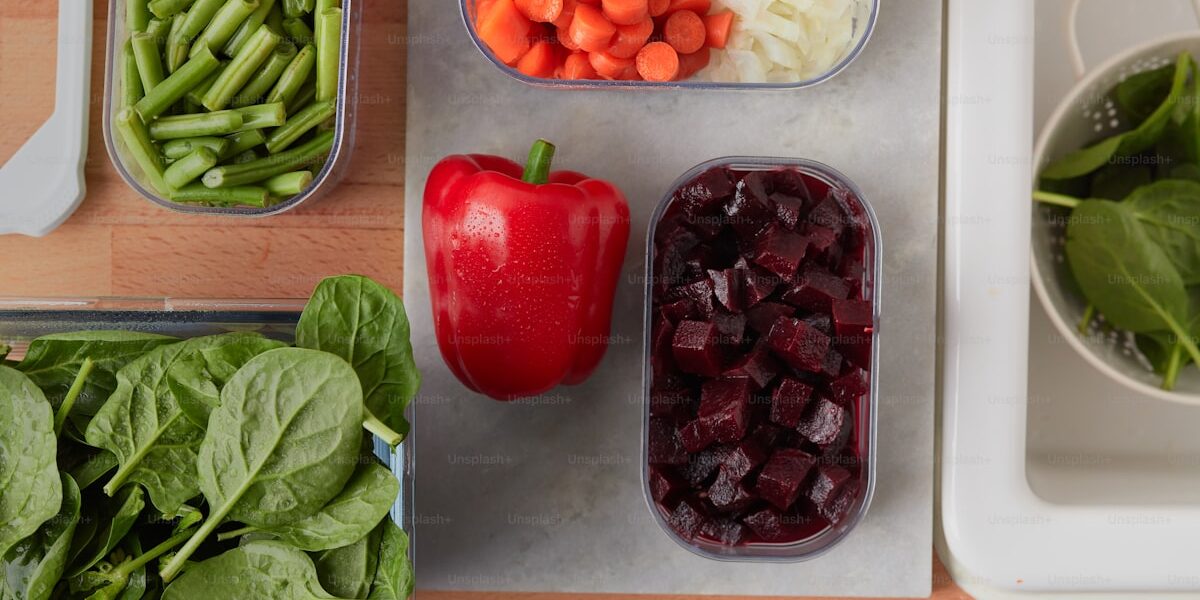
One of the first questions people ask after starting GLP-1 medication is “what should I eat?” The honest answer is less dramatic than the internet makes it sound — but there are some practical things worth knowing.
Your Appetite Will Change
The most immediate effect of both Mounjaro and Ozempic is reduced appetite. Most people find they’re simply not as hungry, and the mental “food noise” — that constant background hum of thinking about what to eat next — gets significantly quieter. This is the medication working as intended. Don’t fight it, but don’t skip meals entirely either.
Protein First
This is the single most important dietary adjustment. When you’re eating less overall, you need to make sure a higher proportion of what you eat is protein. Aim for 1.2-1.6g per kg of body weight daily. Why? Protein preserves muscle mass during weight loss, keeps you feeling fuller for longer, and has the highest thermic effect of any macronutrient — meaning your body uses more energy to digest it.
Practical UK sources: chicken breast, tinned tuna, eggs, Greek yoghurt (Fage 0% is brilliant), cottage cheese, lean mince, prawns, tofu, edamame beans. If you’re struggling to hit your target, a simple whey protein shake fills the gap.
Smaller Portions, More Often
GLP-1 medications slow gastric emptying — food sits in your stomach longer. This means large meals can feel uncomfortable, and you’re more likely to experience nausea if you overeat. Most people find three smaller meals plus one or two protein-rich snacks works better than traditional three large meals.
What to Avoid (and Why)
High-fat, greasy foods tend to worsen nausea. Sugary drinks are empty calories your reduced appetite budget can’t afford. Alcohol hits harder on GLP-1 medication — your tolerance drops noticeably, and the calories add up fast. Ultra-processed foods are worth minimising not because of any dramatic toxicity but because they’re calorie-dense and nutrient-poor — and when you’re eating less, every meal needs to count.
Hydration Matters More Than You Think
Reduced appetite often means reduced fluid intake too, and GLP-1 medications can cause constipation. Aim for 2 litres of water daily minimum. Herbal teas, sparkling water, and sugar-free squash all count. Coffee is fine — in fact, caffeine has a mild appetite-suppressing effect that complements the medication.
A Typical Day
Breakfast: Two eggs scrambled on one slice of wholemeal toast, or Greek yoghurt with berries and a sprinkle of granola.
Lunch: Chicken salad with mixed leaves, cucumber, cherry tomatoes, and a drizzle of olive oil. Or a tuna and sweetcorn jacket potato (half portion).
Dinner: Salmon fillet with roasted vegetables and a small portion of brown rice. Or lean beef stir-fry with plenty of veg.
Snacks: Protein shake, handful of almonds, apple with peanut butter, cottage cheese with cucumber.
Don’t Overcomplicate It
You don’t need a meal plan, a special cookbook, or a subscription box. The medication handles the hard part — reducing the drive to overeat. Your job is to make sure what you do eat is reasonably nutritious, protein-rich, and enjoyable. Sustainable beats perfect, every time.